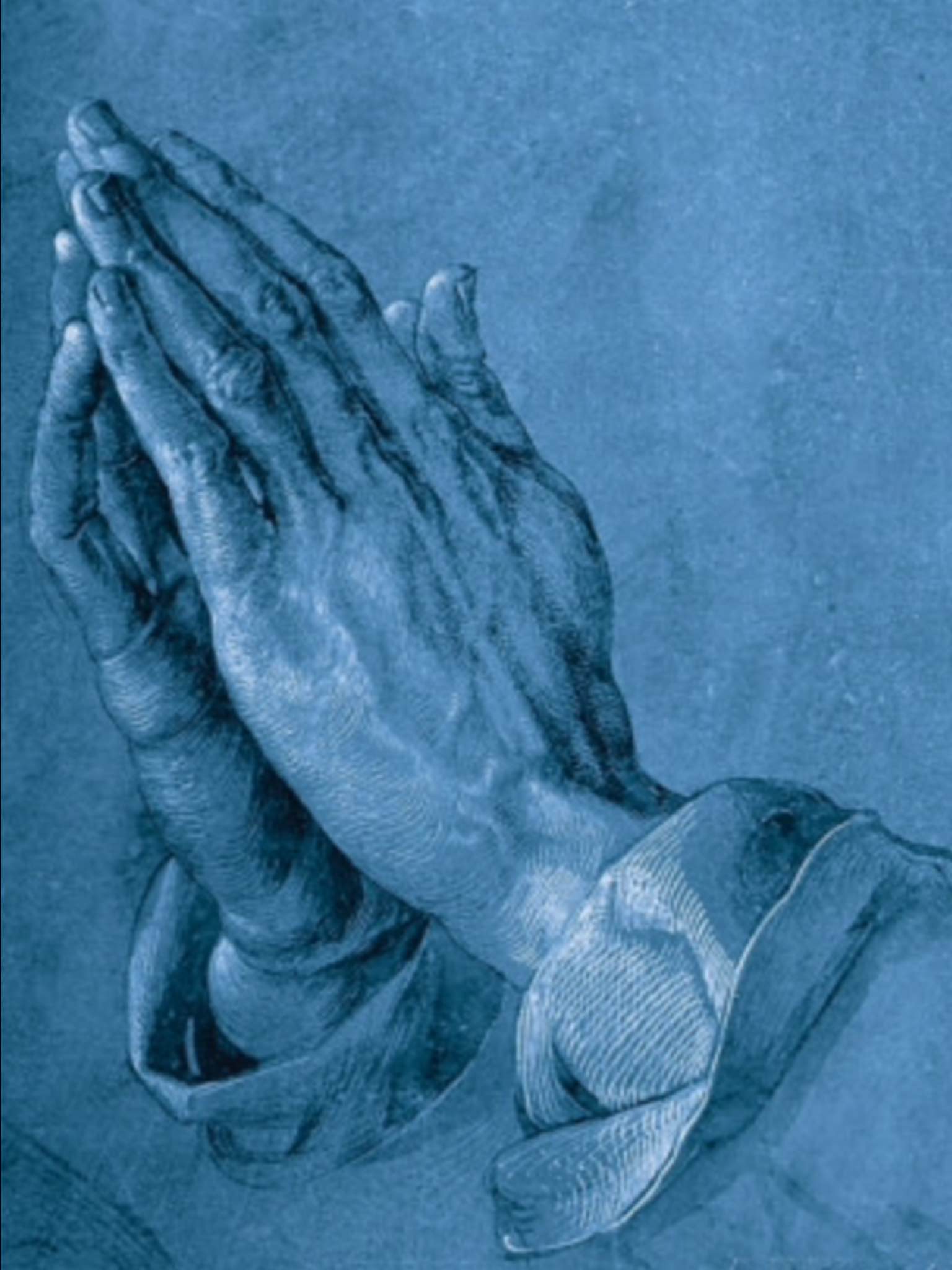
Some people see the book of Psalms as a prayer book. Others consider it a book of songs. I believe that they are both correct. The Psalms is a collection of prayers that were often put to music and sung in corporate worship. Today’s worshipers can sing and pray their way through the chapters of this book in corporate or private worship.
Let’s consider Psalm 90, which is attributed to Moses. The translation that I am looking at now, the NIV, has a heading— “A prayer of Moses the man of God.” If you consider yourself a man or woman of God, this Psalm would be an excellent outline for prayer.
It begins by addressing the God who is eternal. He is immortal. He has been there “from everlasting to everlasting.” (v.2). There has never been a time when God did not exist. Keeping this in mind helps us maintain a deep reverence in our prayers.
Then the Psalm reflects on the mortal nature of mankind. (vv.3-6) Unlike the eternal God, people don’t live forever, at least in this life. Someone once said that the mortality rate of human beings is still right at 100%! Our lives are brief, which should add some humility to our prayers.
The Psalm then talks about our sinful nature, and the fact that this puts us under the wrath of God and is directly related to our struggles and our ultimate demise. It’s a sad truth that many people do not see the correlation between our sin and our struggles. When Adam and Eve sinned, they brought death and hardship into play where it had not previously existed.
We Christians understand that the only way out of this predicament is through Jesus Christ. God sent his Son to die on a cross to pay for our sins and give us the opportunity to be spared from his wrath. Only through Jesus can we escape the curse of sin and death and receive forgiveness and eternal life. This gospel message gives us purpose in life.
The rest of Psalm 90 addresses this purpose. V.12 says, “Teach us to number our days, that we may gain a heart of wisdom.” The last phrase in the psalm prays, “…establish the work of our hands.” We should be mindful of the brevity of life as we pray. And our prayers should include a request for God’s wisdom to do the work that he has set before us, work that will have significance not only in this life, but for all of eternity.
 Jesustrek